


Back Pain in Leppington: Understanding Causes and Management

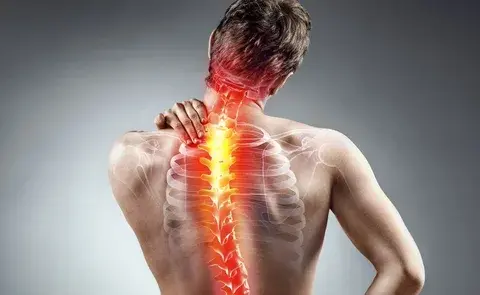
Back pain can affect people of different ages and activity levels, making everyday movements such as sitting, walking, lifting or exercising uncomfortable. It may develop gradually or appear suddenly after an injury, prolonged sitting or physical activity. For people experiencing back pain in Leppington, understanding possible causes and suitable ways to manage symptoms can be a useful first step towards better movement and daily comfort.
What Can Cause Back Pain?
Back pain can have many causes, and the source is not always immediately obvious. Muscle strain, poor movement habits, repetitive activities and physical injuries can all contribute to discomfort.
Common factors include:
Muscle or ligament strain
Prolonged sitting
Repetitive lifting or bending
Sudden changes in physical activity
Poor movement patterns
Sports-related injuries
Reduced strength or flexibility
In some cases, back discomfort can also be associated with conditions affecting the joints, discs or nerves. A proper assessment can help determine the likely cause.
How Can Back Pain Affect Daily Activities?
Even moderate discomfort can change how a person moves. Someone experiencing back pain may avoid bending, reduce physical activity or change their posture to minimise discomfort.
This can affect activities such as:
Working at a desk
Driving
Sleeping comfortably
Exercising
Household tasks
Walking for longer periods
Avoiding movement completely may not always be helpful. Depending on the cause, gradual and appropriate movement can form an important part of recovery.
When Should Back Pain Be Assessed?
Persistent or Recurring Discomfort
If back pain continues, repeatedly returns or begins affecting normal activities, an assessment may help identify contributing factors. A practitioner can review movement, strength, flexibility and relevant symptoms before suggesting an appropriate management approach.
Pain Following an Injury
Back pain that develops after a fall, accident, sudden movement or sports injury may require professional assessment, particularly when symptoms are significant or do not improve.
Certain symptoms, such as significant weakness, numbness, loss of bladder or bowel control, or severe pain following major trauma, require prompt medical attention.
What Can Help Manage Back Pain?
Management depends on the cause and severity of the problem. A suitable approach may include a combination of movement and lifestyle strategies.
Stay Gently Active
For many types of uncomplicated back pain, maintaining comfortable levels of daily movement can be more useful than prolonged bed rest. Walking and gentle mobility exercises may help maintain movement without placing excessive strain on the back.
Build Strength Gradually
Once symptoms allow, strengthening exercises can help improve the muscles involved in supporting movement. Exercises should be selected according to individual ability and progress gradually.
Review Everyday Habits
Long periods in one position can contribute to stiffness for some people. Taking regular movement breaks, adjusting a workstation and using sensible lifting techniques may help reduce unnecessary strain.
How Can a Practitioner Help?
A qualified practitioner can assess the individual's symptoms and physical movement to understand possible contributing factors. Treatment may include hands-on techniques, exercise-based rehabilitation, mobility work and advice for managing activities.
Rather than focusing only on the painful area, an assessment may also consider surrounding joints, muscle strength and movement patterns.
Conclusion
Back pain can influence work, exercise and simple everyday activities, but its causes can vary considerably from person to person. Understanding potential triggers and seeking an appropriate assessment can help create a more suitable management plan.
For individuals experiencing back pain in Leppington, maintaining appropriate movement, gradually improving strength and addressing contributing lifestyle or activity factors can support better physical function. Persistent, severe or unusual symptoms should be assessed by an appropriate healthcare professional to determine the next steps.



Comments