


Children Furniture in Bellevue Hill Evolves Alongside Changing Childhood Stages
- Admin

- 11 hours ago
- 3 min read
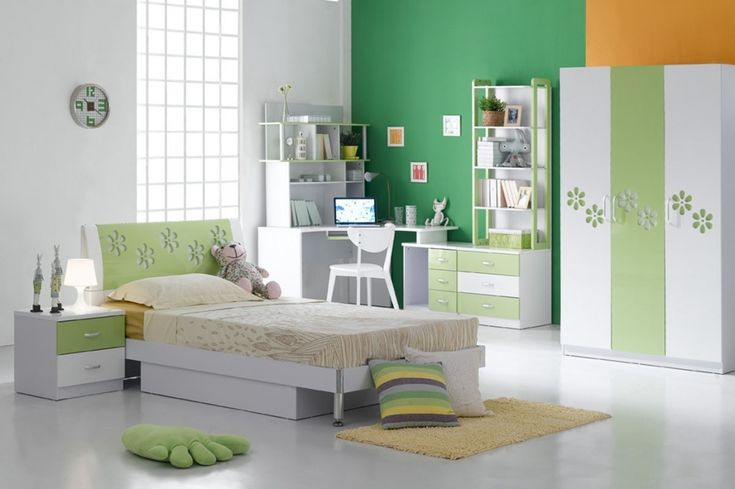
A child's room rarely stays the same for long. Interests shift, physical growth accelerates and everyday routines become more complex over the years. Selecting children furniture in Bellevue Hill is therefore less about decorating for a single age and more about creating an environment that can adapt to continuous change without requiring a complete redesign every few years.
Furniture Lifecycles Influence Long-Term Room Planning
Each piece of furniture has a different functional lifespan depending on how quickly a child outgrows its purpose. Planning around these lifecycles helps create bedrooms that remain practical through multiple stages of development.
Core furniture with adaptable dimensions often remains useful longer than highly age-specific designs.
Storage solutions can transition from toys to books, school supplies and personal belongings as needs evolve.
Neutral structural designs make it easier to update the room through accessories rather than replacing furniture.
Flexible layouts accommodate changing activity patterns from play to study and relaxation.
Selecting furniture with future compatibility simplifies gradual room updates.
Growth Should Guide Furniture Decisions
Planning for future requirements often reduces unnecessary replacement while allowing the room to mature naturally alongside the child.
Activity-Based Furniture Creates Purposeful Spaces
Children use their bedrooms for far more than sleeping. Reading, creative play, homework and independent organisation all require furniture that supports different daily activities within the same room.
Dedicated reading corners encourage quiet activities without interrupting the sleeping area.
Study furniture benefits from positioning where natural daylight supports concentration.
Accessible storage encourages children to organise belongings independently.
Open floor space remains available for imaginative play without overcrowding the room.
Clearly defined activity zones help establish predictable daily routines.
Layout Supports Developing Independence
Furniture arranged around a child's reach and movement encourages greater confidence in managing everyday tasks without unnecessary assistance.
Storage Systems Change as Collections Grow
The type of belongings children own changes dramatically over time. Furniture that accommodates this transition helps maintain organisation despite evolving storage requirements.
Adjustable shelving adapts to books, display items and educational materials of different sizes.
Deep drawers are suitable for seasonal clothing and larger household items.
Smaller compartments simplify organising stationery, craft materials and personal accessories.
Closed storage reduces visible clutter while protecting frequently used belongings.
Modular units can expand alongside increasing storage needs without disrupting the existing layout.
Visibility Encourages Better Organisation
When storage compartments are clearly organised and easily accessible, children often find it easier to maintain tidy spaces as part of their daily routine.
Materials Respond Differently to Everyday Childhood Use
Children's furniture experiences constant movement, frequent contact and changing patterns of use. Material selection therefore influences maintenance as much as appearance.
Durable timber surfaces tolerate regular use while developing natural character over time.
Rounded edges reduce wear in high-contact areas while contributing to safer movement around the room.
Matte finishes minimise the visibility of fingerprints and everyday surface marks.
Textured materials help disguise minor scuffs that naturally occur during active use.
Smooth, easily maintained surfaces simplify regular household cleaning.
Everyday Durability Extends Practical Use
Furniture designed to withstand frequent handling often continues performing effectively through multiple childhood stages without significant deterioration.
Adaptable Room Layouts Support Future Transitions
As children grow, bedrooms gradually shift from play-focused environments to spaces that support education, hobbies and personal independence. Furniture layouts that allow flexibility help accommodate these transitions with minimal disruption.
Freestanding furniture enables simple rearrangement as room priorities change.
Balanced furniture placement leaves sufficient open space for future additions.
Coordinated proportions make it easier to introduce complementary pieces over time.
Multi-purpose furniture supports changing routines without reducing usable floor space.
Flexible layouts respond more effectively to evolving household requirements.
Small Changes Create Significant Functional Improvements
Repositioning existing furniture to reflect changing daily routines often improves the room's practicality without introducing additional furnishings.
Choosing children furniture in Bellevue Hill is most effective when viewed as a long-term investment in an adaptable living space rather than a room designed for a single stage of childhood. Considering furniture lifecycles, activity-based layouts, evolving storage needs, durable materials and flexible room planning creates interiors that continue supporting everyday life as children grow. This broader perspective helps ensure children furniture in Bellevue Hill remains practical, organised and relevant for years to come.
Comments