


Designing Functional and Adaptable Spaces with Children Furniture in Sydney
- Admin

- Jun 11
- 3 min read
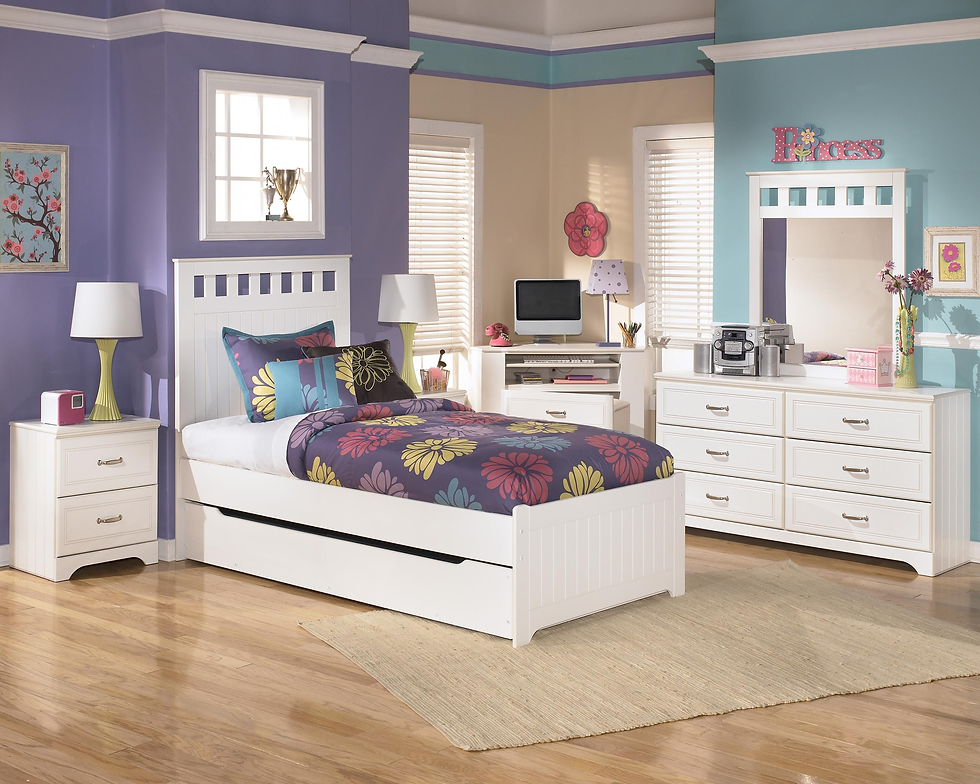
A child’s room serves many purposes throughout different stages of development. It can function as a place for sleep, learning, creativity, storage, and recreation. Selecting children furniture in Sydney requires careful consideration of changing needs, room functionality, and long-term usability. Well-planned furniture choices can help create a space that remains practical, organised, and suitable as children grow and their daily routines evolve.
Children's Rooms Evolve Over Time
Unlike many other areas of a home, children's rooms often undergo significant changes as interests, activities, and requirements develop.
Sleeping arrangements may change with age.
Study needs become more important over time.
Storage demands often increase gradually.
Recreational activities may require dedicated areas.
Room layouts may need periodic adjustments.
Supporting Different Life Stages
Furniture that accommodates changing routines can remain useful for longer periods and reduce the need for frequent room redesigns.
Creating Flexible Living Spaces
Adaptable room planning helps children make better use of their personal space as their needs develop.
The Importance of Defined Activity Zones
A well-organised children's room often includes separate areas dedicated to different daily activities.
Sleeping spaces encourage rest and relaxation.
Learning areas support concentration.
Storage zones improve organisation.
Creative spaces encourage exploration.
Open areas allow free movement.
Separating Rest and Activity Areas
Creating clear distinctions between different functions can help improve room usability and daily routines.
Encouraging Better Organisation
Defined zones make it easier for children to understand where belongings should be stored and used.
Furniture That Supports Learning and Development
The physical environment can influence how children interact with their surroundings and develop everyday skills.
Accessible storage encourages independence.
Practical work surfaces support learning activities.
Organised spaces promote responsibility.
Functional layouts simplify daily routines.
Age-appropriate furniture improves usability.
Encouraging Independent Habits
Furniture designed around a child's size can help them manage personal belongings more confidently.
Supporting Educational Activities
Dedicated spaces for reading, drawing, and homework can contribute to productive learning environments.
Storage Solutions for Growing Families
Children often accumulate books, toys, clothing, school supplies, and hobby-related items over time. Effective storage plays a key role in maintaining an organised room.
Helps reduce unnecessary clutter.
Supports easy access to belongings.
Encourages tidier habits.
Simplifies room maintenance.
Maximises available floor space.
Managing Everyday Items
Frequently used belongings should remain easily accessible to support daily routines.
Accommodating Future Storage Needs
Storage requirements often expand as children grow and develop new interests.
Safety Considerations in Children's Furniture
Safety remains a fundamental aspect of furniture selection for younger family members.
Features That Support Safer Environments
Thoughtful furniture design can help minimise common household risks.
Stable construction improves reliability.
Smooth finishes reduce accidental injuries.
Appropriate dimensions support comfort.
Secure components enhance safety.
Well-planned layouts improve movement.
Creating Comfortable Spaces
A safe and comfortable environment allows children to use their room confidently and independently.
The Value of Adaptable Furniture Choices
Flexible furniture solutions can help households respond to changing needs without major room alterations.
Supports evolving room functions.
Allows layout adjustments over time.
Accommodates different age groups.
Encourages efficient space usage.
Provides long-term practicality.
Planning for Future Changes
Furniture that adapts to new requirements can remain relevant throughout multiple stages of childhood.
Supporting Long-Term Room Functionality
Flexible design choices contribute to a room that continues to serve its purpose as children mature.
Conclusion
Children's bedrooms are dynamic spaces that change as young people grow, learn, and develop new interests. Children furniture in Sydney can help create environments that support organisation, learning, comfort, and everyday functionality. By focusing on adaptable layouts, practical storage, safety, and long-term usability, families can create spaces that evolve alongside their children's needs. Thoughtfully selected children furniture in Sydney contributes to a room that remains useful, organised, and supportive throughout different stages of childhood.


Comments