


How Can A Bathroom Renovation In Bellevue Hill Improve Your Home?

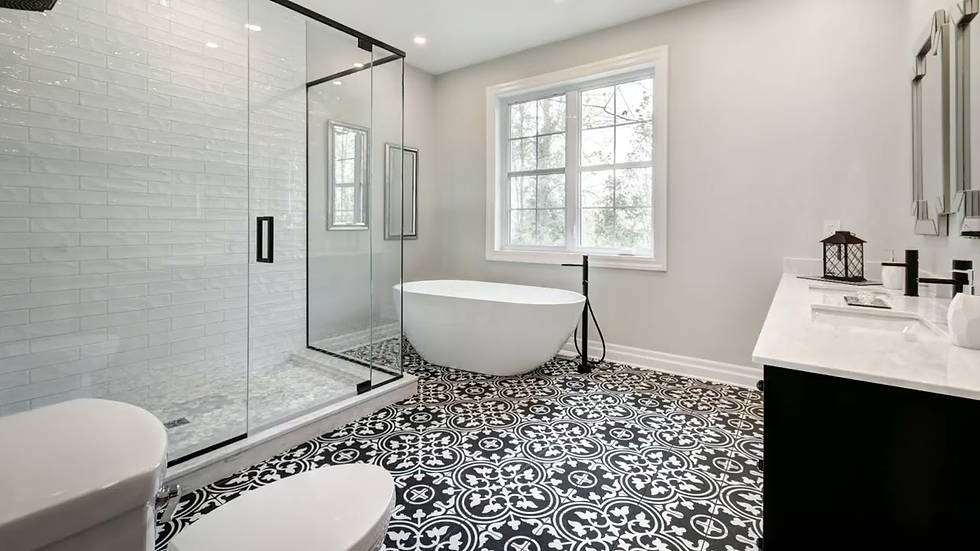
A well-designed bathroom should be comfortable, practical, easy to maintain, and visually suited to the home. As lifestyles change, an older bathroom may no longer provide enough storage, efficient fixtures, or a layout that makes good use of the available space. A carefully planned renovation can address these concerns while creating a more functional and attractive environment for everyday use.
Why Renovate an Existing Bathroom?
Bathrooms are exposed to moisture and frequent use, which can gradually affect tiles, cabinetry, fixtures, grout, and other surfaces. Older bathrooms may also have outdated fittings or inefficient layouts that limit their functionality.
Renovating provides an opportunity to replace worn components, improve storage, update finishes, and make better use of the available floor area. It can also create a more consistent design by coordinating the vanity, shower, bath, lighting, flooring, and wall finishes.
How Can the Layout Be Improved?
The layout should be considered before choosing individual products. The placement of the shower, toilet, vanity, bath, and storage can influence how comfortable the bathroom feels.
In a compact space, careful planning can help avoid unnecessary obstacles and improve movement between fixtures. Wall-mounted vanities, recessed niches, mirrored cabinets, and compact fittings may help maximise usable space without making the room feel crowded.
Larger bathrooms may provide opportunities for separate shower and bath areas, double vanities, additional storage, or dedicated zones for different activities.
Which Features Should Be Prioritised?
Functionality should remain at the centre of the design. A vanity with suitable drawers or cupboards can keep everyday items organised, while a mirrored cabinet can provide additional storage without taking up significant floor space.
Lighting also deserves attention. General lighting can illuminate the entire room, while task lighting around the vanity can support grooming activities. Feature lighting can add visual interest when used appropriately.
Water-efficient fixtures are another consideration. Taps, showers, and toilets should be selected based on their performance, appearance, dimensions, and suitability for the bathroom.
How Do Materials Affect the Design?
Tiles and other surface finishes strongly influence the overall character of a bathroom. Large-format tiles can create a streamlined appearance, while patterned or textured tiles can introduce detail and contrast.
However, appearance is only one consideration. Materials should also be suitable for wet areas and practical to clean and maintain. Tile size, grout selection, slip resistance, surface texture, and moisture exposure should all be considered when choosing finishes.
Cabinetry, benchtops, tapware, mirrors, and shower screens should complement one another rather than being selected independently.
What Should Homeowners Plan Before Work Begins?
A renovation involves more than replacing visible fixtures. Plumbing, electrical work, ventilation, drainage, waterproofing, and structural conditions can all affect the project.
For a bathroom renovation in Bellevue Hill, homeowners should assess the existing bathroom carefully before finalising the design. Older properties may have existing plumbing arrangements or building conditions that influence the renovation plan.
A realistic budget should include materials, labour, demolition, waste disposal, installation, and potential adjustments that may become necessary once existing surfaces are removed.
Why Is Professional Workmanship Important?
Bathroom renovations involve several specialised trades, and each stage needs to work correctly with the next. Waterproofing, plumbing, electrical installation, tiling, cabinetry, and fixture installation all contribute to the finished bathroom.
Using suitably qualified professionals can help ensure that work is completed according to relevant requirements and manufacturer specifications. Proper coordination can also help reduce delays caused by conflicting installations or inaccurate measurements.
Conclusion
A successful bathroom renovation combines practical planning with thoughtful design. Layout, storage, lighting, fixtures, finishes, ventilation, waterproofing, and workmanship all contribute to the final result. With careful preparation and appropriate professional assistance, homeowners can create a bathroom that is comfortable, functional, visually appealing, and suited to everyday living.


Comments