


Injection Molding Near You: A Guide To Choosing The Right Specialist

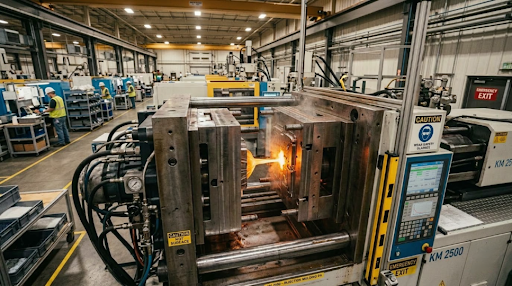
Injection molding is a widely used manufacturing process for producing plastic components with consistent shapes, sizes, and finishes. From automotive parts and medical products to packaging and industrial components, this method supports many industries. When searching for injection molding near you, it is useful to understand the process, material options, quality factors, and services offered by a specialist.
What Is Injection Molding?
Injection molding involves heating plastic material until it becomes molten and then injecting it into a specially designed mould. The material cools inside the mould and takes its required shape. Once solidified, the finished component is removed and prepared for further processing or assembly.
The process can be used to manufacture both simple and highly detailed components. Modern equipment also allows manufacturers to produce parts with accurate dimensions and repeatable results.
Why Choose Injection Molding?
Injection molding is suitable for projects that require multiple identical components. Once the mould is prepared, production can be repeated efficiently, making the process practical for medium- and high-volume manufacturing.
Other benefits include:
Consistent component dimensions
Ability to produce complex shapes
Wide selection of plastic materials
Efficient production for larger quantities
Options for different colours and surface finishes
Reduced material waste when production is properly planned
What Should You Look For in a Specialist?
Choosing an experienced injection molding specialist involves more than comparing production capabilities. Businesses should consider the manufacturer's equipment, material knowledge, quality control procedures, design support, and ability to meet project requirements.
It can also help to ask whether the provider supports mould design, prototyping, production, finishing, and assembly. Having several stages handled by one specialist can simplify communication and project management.
Materials Used in Injection Molding
Different applications require different plastic properties. Common materials include ABS, polypropylene, polyethylene, polycarbonate, nylon, and engineering-grade plastics. The appropriate choice depends on factors such as strength, flexibility, temperature resistance, chemical exposure, appearance, and intended use.
A knowledgeable manufacturer can help identify a suitable material based on the component's operating environment and performance requirements.
Design and Quality Considerations
Good component design can make the molding process more efficient and help avoid manufacturing problems. Wall thickness, mould design, cooling requirements, draft angles, and material flow can all influence the final result.
Quality checks during production can help identify dimensional variations, surface defects, warping, or other issues. Clear specifications and testing requirements should be discussed before manufacturing begins.
Finding a Suitable Local Provider
Businesses looking for injection molding near you can compare specialists according to their experience, manufacturing capabilities, industries served, materials available, and project requirements. Reviewing previous work and discussing technical specifications can also help determine whether a provider is suitable for a particular application.
Local manufacturing support may also make communication, sample reviews, production coordination, and delivery planning more convenient.
Conclusion
Injection molding provides an efficient way to manufacture consistent plastic components for many industries. Understanding materials, mould design, production capabilities, and quality processes can help businesses select an appropriate manufacturing partner. A careful comparison of local specialists can make it easier to find a service that matches the project's technical and production needs.


Comments