


Piling In Sydney: A Complete Guide To Strong Foundations

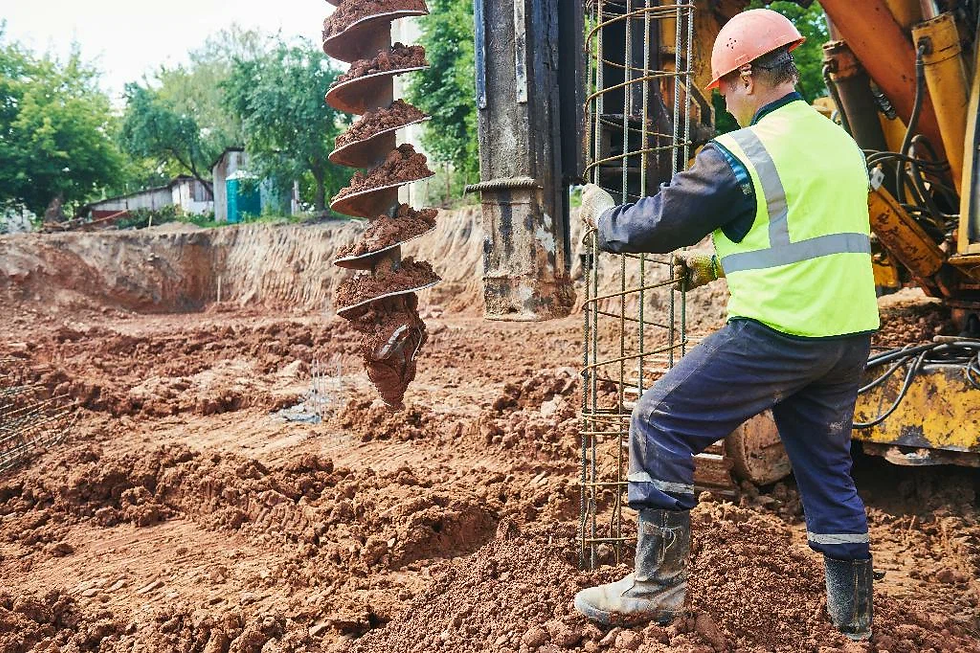
A strong foundation is one of the most important parts of any construction project. Buildings depend on stable ground and carefully designed foundations to support structural loads safely over time. When surface soil is unsuitable or additional depth is required, deep foundation techniques can provide an effective solution. For builders and property owners researching Piling in Sydney, understanding the process, applications and planning requirements can help with better project decisions.
What Is Piling?
Piling is a foundation method used to transfer structural loads through weaker upper soil layers into deeper, more stable ground. Long structural elements called piles are installed into the ground to create a reliable support system for a building or other structure.
The required pile type, depth and installation method depend on the site's ground conditions and engineering design. Piling may be used for residential buildings, commercial developments, extensions, retaining structures and other construction projects.
When Is Piling Required?
Traditional shallow foundations may not always be suitable where the upper layers of soil have limited load-bearing capacity. Soft ground, variable soil conditions, heavy structures or restricted sites can create additional foundation requirements.
Deep piling allows structural loads to be transferred to stronger ground at greater depth. A geotechnical investigation and engineering assessment can help determine whether piling is appropriate for a particular project.
Common Types of Piling
Different piling methods are available, and the most suitable option depends on the project's requirements.
Bored piles are formed by drilling or excavating holes before reinforcement and concrete are installed. This method can be useful where vibration needs to be controlled.
Driven piles are installed by driving prefabricated piles into the ground. They can provide efficient installation but may produce greater noise and vibration, making site conditions an important consideration.
Other piling techniques may be selected depending on soil conditions, structural loads, access limitations and engineering specifications.
How Does the Piling Process Work?
Piling generally begins with a site investigation. Soil conditions, existing structures, underground services, access and project requirements are assessed before the foundation design is finalised.
The work area is then prepared for the required equipment. Piles are installed according to the engineering design, with the depth and positioning carefully controlled.
Depending on the piling system, reinforcement and concrete may be incorporated during installation. Testing and quality checks may also be undertaken to verify that the completed foundation system meets the required specifications.
What Factors Affect Piling Costs?
The cost of a piling project can vary considerably. Factors may include the number and depth of piles, soil conditions, equipment requirements, site access and the selected installation method.
Additional considerations may include ground investigation, engineering requirements, removal of spoil and working restrictions around neighbouring properties.
Obtaining a detailed assessment and project-specific quotation is more useful than relying on a general price estimate.
Why Is Site Access Important?
Piling equipment can be large and specialised, so access should be considered during the planning stage. Narrow driveways, restricted work areas, nearby buildings and overhead or underground services can influence which equipment and installation method can be used.
Early assessment of access conditions can help reduce delays and allow contractors to plan equipment positioning and material delivery more effectively.
Choosing a Piling Contractor
When comparing Piling in Sydney services, property owners and builders should consider the contractor's experience, equipment, safety procedures and ability to work according to engineering specifications.
A suitable contractor should communicate clearly about the proposed method, site preparation, expected work sequence and project requirements. Coordination between the engineer, builder and piling contractor is also important for a smooth foundation process.
Conclusion
Piling can provide a practical deep foundation solution when surface ground conditions are unsuitable for conventional foundations. Careful site investigation, appropriate engineering design and professional installation are essential for achieving reliable results. By considering soil conditions, structural requirements, access and installation methods early, builders and property owners can plan their foundation work more effectively and support the long-term stability of their construction project.


Comments