


The Essential Guide to Choosing Commercial Dishwashers in Australia

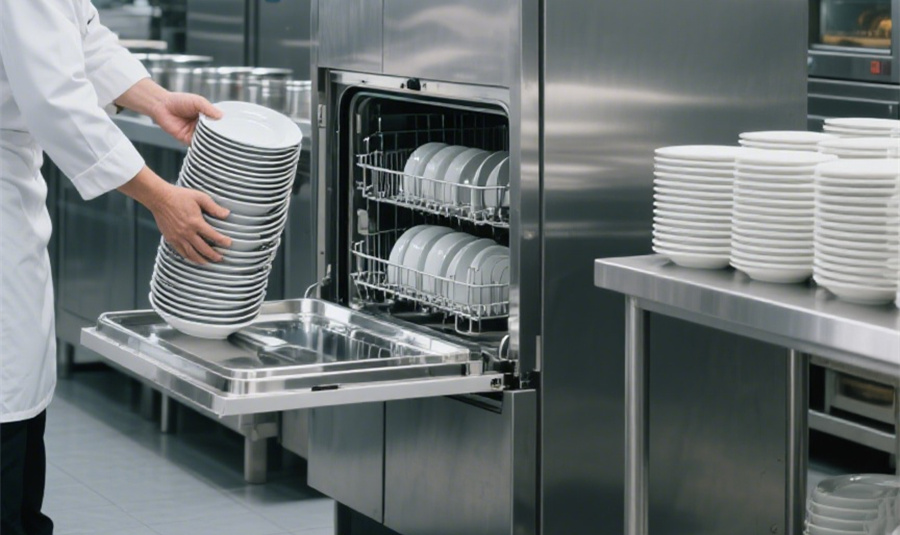
Running a bustling restaurant or cafe in Australia means dealing with a mountain of dirty dishes every day. The back-of-house chaos can be alleviated significantly with the right commercial dishwasher. It’s not just about keeping up with the pace; it’s about efficiency, hygiene, and sustainability. Here’s a list to help navigate the world of commercial dishwashers, ensuring you find the perfect fit for your business.
1. Understanding Different Types
Not all dishwashers are created equal. There are several types, each suited to different operational needs. Under-counter dishwashers are compact and ideal for smaller operations like cafes. Conveyor dishwashers, on the other hand, cater to high-volume establishments, swiftly processing large quantities of dishes. Door-type models offer a middle ground, perfect for mid-sized venues. Knowing your business’s demand helps narrow down the options.
2. Size and Capacity
It’s crucial to consider both the physical size of the dishwasher and its washing capacity. A large unit might process more dishes but could be too big for your kitchen. Measure your available space and compare it with the dimensions of prospective dishwashers. Also, think about the peak times will the dishwasher keep up with your busiest hours? The last thing you need is a bottleneck in the kitchen due to capacity issues.
3. Energy Efficiency Matters
In Australia, energy efficiency isn’t just about saving the planet; it’s about cutting costs too. Look for models with high energy ratings. They may have a higher upfront cost, but they pay off through reduced utility bills. Water efficiency is another key factor. Australian businesses often face water restrictions, so a dishwasher that uses less water without compromising on cleanliness can be a real asset.
4. Hygiene Standards
Meeting health and safety standards is non-negotiable in the food industry. Commercial dishwashers need to sanitise effectively to kill bacteria and ensure dishes are safe for use. Look for machines that reach high temperatures and offer sanitising cycles. These features are particularly important in Australia, where food safety regulations are stringent.
5. Ease of Use and Maintenance
A dishwasher should make life easier, not harder. Look for intuitive controls that staff can quickly learn. Maintenance matters too regular servicing and easy-to-source parts are crucial for minimising downtime. Consider brands with service centres in Australia for peace of mind and quicker repairs.
6. Cost Considerations
While it’s tempting to go for the cheapest option, think long-term. A cheaper dishwasher might have higher running costs or a shorter lifespan. Balance initial costs with expected operational expenses and potential savings from energy-efficient models. Leasing options are available for those who want to spread out the cost.
7. Warranty and Support
A reliable warranty can save you from unexpected expenses. Check what’s covered and for how long. Also, consider the after-sales support is there a local helpline? Can technicians reach you quickly if things go awry? Good customer support can make a huge difference, especially during busy periods.



Comments