


Understanding Bathroom Renovation Cost: A Practical Guide
- Admin

- Oct 5, 2023
- 2 min read
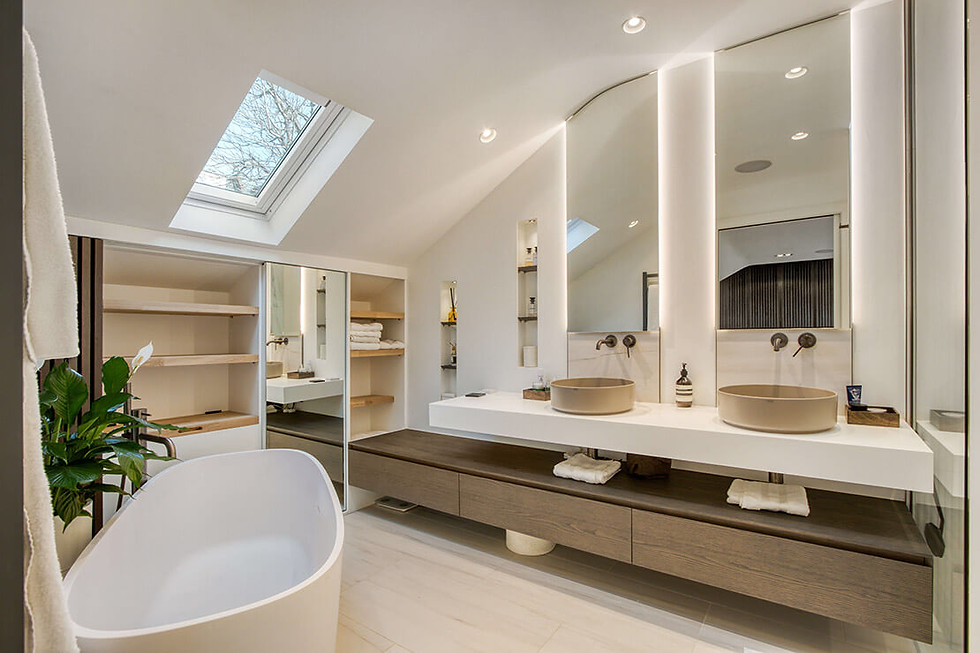
Bathroom renovation cost can vary widely depending on several key factors, including size, materials, layout changes, and labour. Whether the goal is a basic upgrade or a full transformation, knowing what influences the overall cost helps avoid budget surprises and supports better decision-making throughout the project.
For a standard bathroom renovation in Australia, the average cost typically ranges between $15,000 and $30,000. Smaller or cosmetic updates may cost less, while high-end designs with custom finishes and structural changes can exceed $40,000. It all comes down to scope, materials, and project complexity.
The biggest contributors to bathroom renovation cost are labour and materials. Labour generally accounts for 40% to 50% of the total budget. This includes plumbers, electricians, tilers, waterproofers, and carpenters. Skilled trades are essential, especially when dealing with plumbing relocations, waterproofing compliance, or electrical upgrades. Cutting costs by using unlicensed or inexperienced tradespeople can lead to safety issues or expensive repairs later.
Material selection has a strong impact on price. Tiles, vanities, tapware, and cabinetry come in a wide range of finishes, brands, and styles. For instance, ceramic tiles are generally more affordable than natural stone. A custom-made vanity costs more than a flat-pack or ready-made option. Tapware in chrome or brushed nickel is often priced lower than designer finishes like matte black or gold.
The bathroom layout also affects renovation cost. Retaining the original layout is usually more cost-effective, as it avoids the need to relocate plumbing lines. However, if the goal includes moving the toilet, shower, or basin, the plumbing work can significantly increase costs.
Demolition and waste removal add to the expense, especially in older homes with outdated or non-compliant materials. Asbestos, commonly found in bathrooms built before the 1990s, requires licensed removal and can increase both cost and timeframe.
Waterproofing is a non-negotiable step in any bathroom renovation. It must comply with Australian Standards and is typically carried out by a licensed professional. Though this step adds cost, it protects the property from water damage and future structural problems.
Another often overlooked cost is fixtures and fittings. This includes towel rails, shower screens, mirrors, toilets, and lighting. While individually small, these items add up and can shift the total cost, especially when choosing premium brands or finishes.
Project management also plays a role. Hiring a builder or renovation company to coordinate trades and manage timelines can streamline the process. This comes with a management fee but can reduce stress and potential delays.
Contingency is essential when budgeting for bathroom renovation. Unexpected issues, such as plumbing repairs, hidden water damage, or structural problems, can increase costs mid-project. Setting aside 10–15% of the budget for contingencies is a practical approach.
Conclusion:
Bathroom renovation cost depends on a range of factors, from material choice and labour to layout changes and compliance requirements. By understanding the key cost drivers, it becomes easier to plan a realistic budget and prioritise what matters most. A well-planned renovation not only improves function and aesthetics but also delivers long-term value. Careful budgeting, professional work, and quality materials form the foundation of a successful bathroom upgrade.


Comments