


Wheelie Bin Service: Making Everyday Waste Collection More Manageable

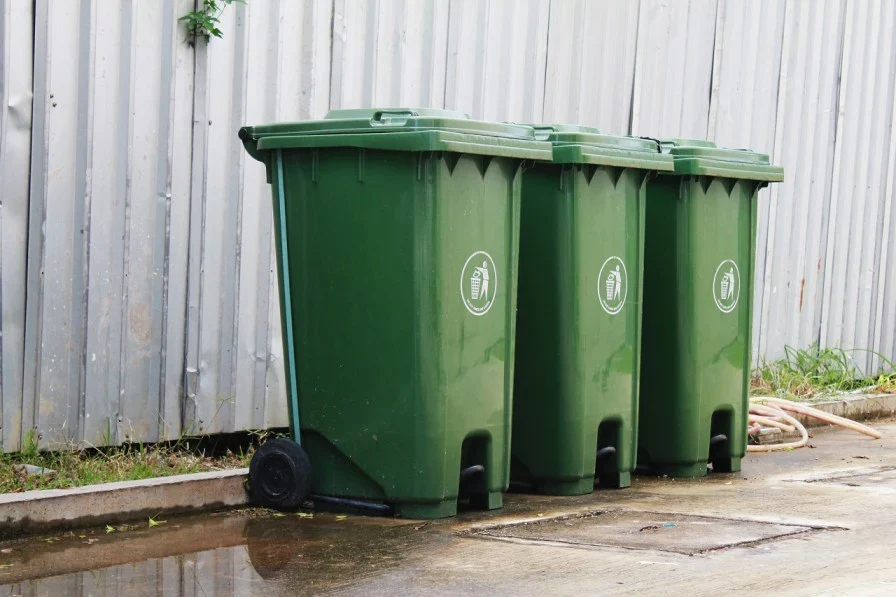
A well-organised waste collection system can make a noticeable difference to how clean, functional and convenient a property remains. A wheelie bin service provides a practical arrangement for storing and collecting routine rubbish, particularly where waste needs to be contained securely between collection days. The right setup can support cleaner premises while making day-to-day waste disposal easier for residents, staff and visitors.
The role of a wheelie bin in everyday waste management
Wheelie bins are designed around simple handling. Their integrated wheels and manageable structure allow them to be moved between a storage area and a collection point without lifting the entire container.
This makes them useful where waste needs to be:
Stored securely between collections
Moved across short distances when required
Kept contained rather than left in loose bags
Accessed by multiple users
Collected through a routine waste service
Their relatively straightforward design also means they can fit into many different waste storage arrangements.
Looking beyond bin size
The largest available bin is not necessarily the most suitable choice. Capacity should reflect how much rubbish a property actually produces and how frequently it is collected.
A small property with limited waste may need only modest capacity, while a busy workplace or shared residential building could require several containers. The type of rubbish matters as well. A property producing large amounts of packaging, for example, may need separate recycling arrangements alongside its general waste containers.
When assessing requirements, consider:
Average waste generation rather than occasional peaks
Number of people using the premises
Collection frequency
Available storage space
Whether separate recycling or organic waste bins are needed
This approach helps prevent both unnecessary container capacity and frequent overflow.
Creating a practical bin storage area
Where a wheelie bin is kept can be just as important as the bin itself. A poorly planned storage location can make disposal inconvenient and create obstacles for collection crews.
The area should provide enough room to position and move the bins safely. A firm, reasonably level surface can make wheeled movement easier, particularly when containers become heavier as they fill.
Good placement should also account for:
Easy access for people disposing of waste
Sufficient clearance around each container
A practical route to the collection point
Distance from doors and heavily used pedestrian areas
Protection from unnecessary interference or obstruction
For shared premises, clearly identifying the designated bin area can help prevent containers from being left in unsuitable locations.
Managing waste between collections
A wheelie bin only works effectively when its contents are managed properly. Overloading can make the container difficult to move and may cause rubbish to spill out. Waste left beside a full bin can also attract pests and create an untidy appearance.
Simple habits can make the collection cycle more effective. Waste should be placed fully inside the container, with the lid closed where possible. Items should not be forced into the bin simply to create additional space, particularly if doing so prevents the lid from closing.
Monitoring how quickly bins fill can also reveal whether collection frequency needs reviewing.
Keeping shared bins under control
In apartments, offices and other shared environments, waste management can become complicated because many people use the same containers. Clear expectations can help reduce contamination and prevent unsuitable materials from being discarded with ordinary rubbish.
Simple signs can indicate which materials belong in each bin. Separate containers for recycling can also make correct disposal more intuitive.
Regular observation may identify recurring issues, such as excessive packaging, incorrect waste types or rubbish being left outside containers. Addressing these patterns is often more effective than simply adding extra bins.
Maintenance and hygiene
Regular cleaning and inspection help keep wheelie bins suitable for continued use. Food residue, liquid spills and accumulated debris can contribute to unpleasant smells and pest activity if they are allowed to remain for long periods.
A basic maintenance routine can involve:
Cleaning the container when necessary
Removing spills from the surrounding area
Checking lids, wheels and handles
Avoiding persistent overfilling
Keeping the storage area free from loose rubbish
Damaged containers should also be assessed rather than continuing to use them when their condition makes movement or containment difficult.
Adapting the service over time
Waste patterns can change as occupancy, business activity or household routines change. Reviewing the arrangement periodically helps ensure the number of bins, their capacity and collection frequency continue to match actual requirements.
A wheelie bin service is therefore most effective when it is treated as part of an overall waste management routine. Suitable capacity, sensible placement, correct disposal habits and regular upkeep can work together to create a cleaner and more manageable system.



Comments