


From Roof to Drain: How Rainwater Travels Through Your Frankston Home
Updated: Oct 7
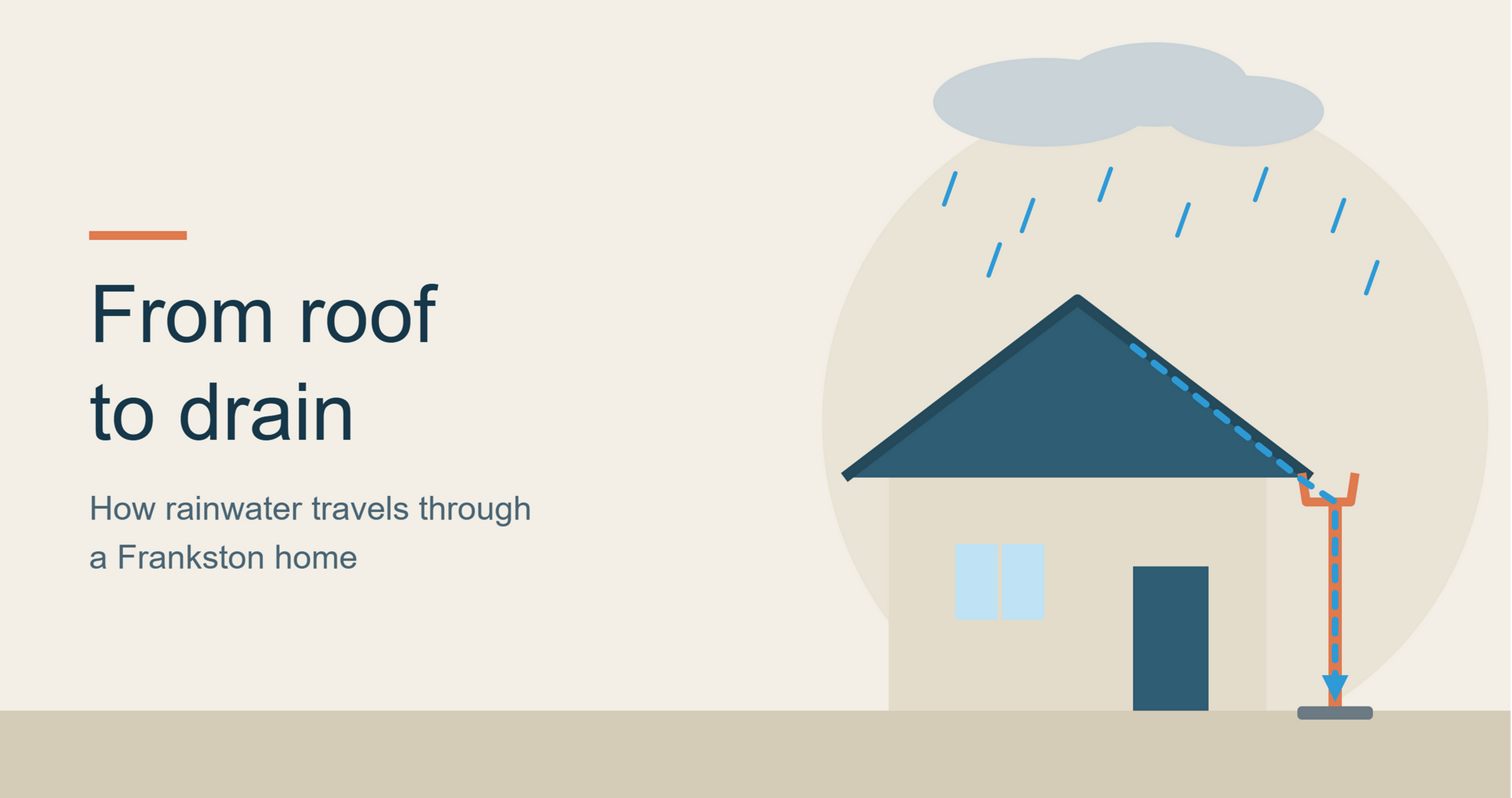
Every time it rains, your roof has one job: move water away from your house quickly and safely. When a blocked gutter or worn flashing interrupts that journey, water ends up where it shouldn't. If you've been wondering how Roof Plumbing in Frankston fits into everyday home maintenance, this guide explains how the system works, what commonly goes wrong and how to stay ahead of problems.
Following the Water Path
Rain lands on your roof sheeting or tiles and runs to the valleys and eaves. It then lands in the gutters and along the gutters to the downpipes and into the storm water drain or a rainwater tank. Each in that chain has to be perfect. A cracked join, sagging section can have water behind the fascia, into the eaves or down the walls.
Myths That Cost Homeowners Money
Some common beliefs lead people to delay important work:
"All homes with big trees require gutter cleaning." Every property accumulates dust, roof grit and debris.
" A small drip isn't urgent." Slow leakages can moisten insulation and timber well before any staining occurs.
"A freshly repaired roof should not experience any problems." Still, improperly fitted flashings may break within only a few years.
"Sealant rules." Sealant is a Band-Aid; not a permanent solution to movement or corrosion.
Can Blocked Gutters Really Damage My Home?
Yes. If water isn't directed away down the drains, there is nowhere for it to go apart from the fascia boards, eaves, and the ground around your home. This isn't going to make your home very happyany or all of what comes next problems could occur: rot, flaking paint, damp in the walls, foundation movement. Blocked drains can also be breeding grounds for mosquitoes. In warm weather they can also increase fire risk if they trap dry leaves, if they are cleared regularly this is one of the cheapest and easiest jobs to safeguard your property.
What to Expect From a Professional Visit
A licensed provider of Roof Plumbing in Frankston will generally follow a clear process:
Inspect the roof, gutters, valleys and flashings
Test water flow to find blockages or poor falls
Photograph problem areas so you can see them too
Explain repair and replacement options in plain language
Provide an itemised quote before starting work
If a tradesperson can't explain what they've found, ask for a second opinion.
What Influences the Cost?
No two jobs are identical, but these factors usually shape the price:
Roof height and how easy it is to access
The extent and type of damage
Materials, such as Colorbond, zinc or galvanised steel
The length and profile of gutters
Whether the work is a patch repair or a full replacement
When Is the Best Time to Check?
Late autumn is best, when most fallen leaves are covering roots and crown and before winter rains commence. Spot checks in early spring will assist in locating damage from winter storms before the onset of summer. A good idea is to make a post storm survey following any sustained high winds or hail, even if there is no apparent visual damage.
A Smarter Way to Protect Your Home
Your roof drainage works quietly in the background until the moment it fails. By understanding how water moves, spotting early warning signs and arranging regular Roof Plumbing in Frankston inspections, you can avoid water damage and unexpected repair bills. A small check today is far easier than dealing with a flooded ceiling after the next big storm.


Comments