


Timber Floor Polish Protects the Finish Between Major Floor Restoration Projects

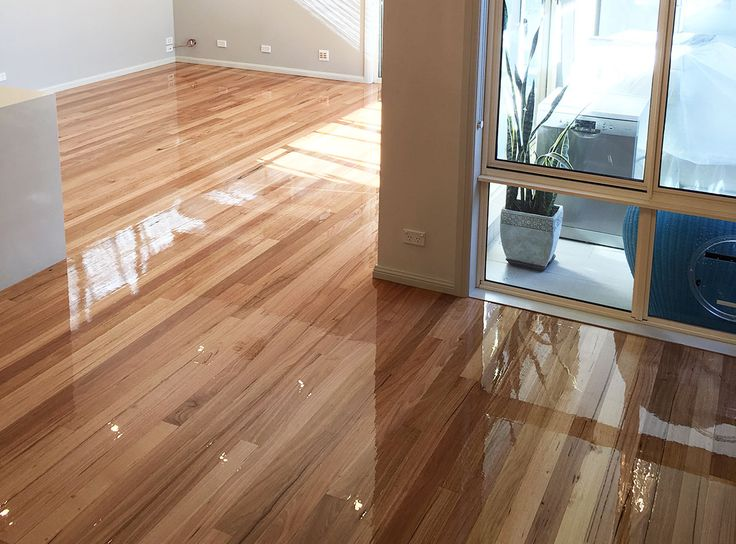
Timber flooring does not always require sanding to maintain its appearance. As floors experience daily foot traffic, furniture movement, and regular cleaning, the protective surface gradually loses its sheen long before the timber itself shows significant wear. People searching for timber floor polish are often looking for a maintenance solution that refreshes the existing finish, improves surface protection, and extends the time between full floor restoration projects.
Floor Condition Determines Whether Polishing Is Appropriate
Polishing is designed for floors with a sound protective coating rather than heavily damaged timber. Assessing the existing finish helps determine if polishing will restore the surface effectively.
Light surface dullness usually responds well to polishing without requiring sanding.
Fine hairline scratches can become less noticeable after the floor is polished.
Existing coatings are inspected to ensure they remain firmly bonded to the timber.
High-traffic areas are assessed for uneven wear before polish is applied.
Deep scratches or exposed timber may indicate that restoration rather than polishing is required.
Surface Wear Should Be Evaluated Carefully
Applying polish to a floor with significant coating failure will not correct underlying damage. A proper assessment helps identify the most suitable maintenance approach.
Polishing Reinforces the Protective Surface
Rather than altering the timber itself, floor polish refreshes the protective layer that shields the timber from everyday use. This maintenance step helps preserve the floor's condition.
A renewed surface coating improves resistance to daily foot traffic.
Minor scuff marks become less visible as the finish is refreshed.
The floor develops a more consistent appearance across frequently used areas.
Surface protection is strengthened against routine cleaning and general wear.
Existing finishes are revitalised without removing timber material.
Protective Layers Reduce Everyday Wear
Maintaining the protective finish allows the timber underneath to remain in better condition, reducing the rate at which more extensive restoration becomes necessary.
Different Building Environments Influence Polishing Frequency
The need for floor polishing depends on how the timber floor is used rather than simply its age. Different environments create varying levels of surface wear.
Residential living areas often experience gradual wear from daily household activity.
Office spaces receive concentrated traffic around entrances and shared work areas.
Hospitality venues place greater demands on protective floor finishes due to continuous use.
Educational facilities experience repeated movement throughout the day.
Retail environments often require more frequent maintenance because of constant customer traffic.
Usage Patterns Shape Maintenance Planning
Establishing a polishing schedule based on actual floor use helps maintain consistent appearance and surface protection throughout the year.
Proper Preparation Improves Polishing Results
The condition of the floor before polishing directly influences the final finish. Thorough preparation creates a clean surface for the polish to bond effectively.
Dust and abrasive particles are removed before polishing begins.
Residual cleaning products are eliminated to prevent uneven application.
Minor surface marks are inspected to determine whether additional preparation is required.
The floor is allowed to dry completely before polish is applied.
Surface cleanliness is confirmed before the finishing process starts.
Preparation Supports Even Coverage
A properly prepared floor allows the polish to form a uniform protective layer without streaking or inconsistent sheen.
Routine Care Extends the Life of a Polished Floor
Once polishing has been completed, consistent maintenance helps preserve both the appearance and protective qualities of the finish.
Soft cleaning equipment reduces unnecessary surface abrasion.
Dirt and grit are removed regularly to minimise scratching.
Furniture protectors help prevent marks caused by movement.
Spills are cleaned promptly to protect the polished finish.
Regular inspections identify areas showing early signs of wear before further maintenance is required.
Ongoing Maintenance Preserves the Finish
A polished timber floor remains in better condition when supported by routine care, allowing the protective surface to perform effectively for longer.
Conclusion
Searching for timber floor polish is often part of a planned maintenance strategy aimed at preserving the protective finish rather than restoring heavily worn timber. Careful assessment, correct preparation, and consistent upkeep all contribute to extending the life of timber flooring between major restoration projects. By treating timber floor polish as preventative maintenance, property owners can maintain the appearance and durability of their floors while reducing the need for frequent sanding.


Comments