


Understanding the Long-Term Benefits of Floor Sanding in Cronulla


Timber flooring remains a popular feature in many properties due to its durability, natural appearance, and long service life. Over time, however, daily use can leave surfaces looking worn, uneven, or dull. Floor sanding in Cronulla is a process that helps restore timber floors by removing surface imperfections and preparing the wood for protective finishes.
This article explains the value of floor sanding, the stages involved, and the practical benefits it can provide for residential and commercial spaces.
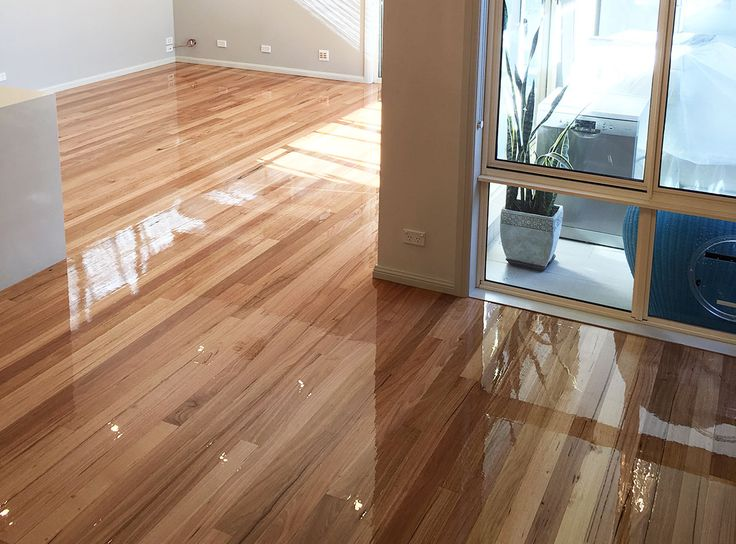
Floor Sanding Restores the Original Character of Timber Floors
Timber floors naturally experience wear from foot traffic, furniture movement, and environmental conditions. Sanding removes damaged surface layers and reveals the fresh timber beneath.
Eliminates scratches, dents, and minor surface marks.
Reduces the appearance of stains embedded in old finishes.
Restores a smoother and more uniform surface.
Enhances the natural grain and texture of the timber.
Prepares the floor for protective treatments and coatings.
Surface Renewal Through Controlled Sanding
The sanding process removes a thin layer of timber using specialised equipment. This allows worn sections to be levelled while preserving the structural integrity of the flooring.
Floor Sanding Supports Better Floor Longevity
Maintaining timber floors involves more than routine cleaning. Periodic sanding helps address accumulated wear before it develops into more significant issues.
Removes areas where old finishes have deteriorated.
Helps prevent moisture from penetrating exposed timber.
Reduces uneven wear patterns across the floor.
Supports ongoing maintenance strategies.
Extends the functional lifespan of timber surfaces.
Protection Against Progressive Wear
Timber exposed to repeated abrasion can develop deeper imperfections over time. Sanding creates a refreshed foundation that can better support future protective finishes.
Floor Sanding Improves Surface Consistency
Over the years, timber flooring can become uneven due to traffic patterns, furniture placement, or ageing finishes. Sanding contributes to a more consistent appearance throughout a room.
Smooths minor surface irregularities.
Creates a more uniform texture across boards.
Minimises visible transitions between worn and less-used areas.
Improves the overall presentation of interior spaces.
Enhances the effectiveness of subsequent floor coatings.
Achieving a Balanced Finish
A consistent floor surface allows finishes to adhere more evenly. This contributes to a cleaner and more refined final result once treatment is complete.
Floor Sanding Enhances Indoor Appearance
The condition of flooring plays an important role in the overall visual appeal of a property. Refreshed timber surfaces can significantly improve the look of interior environments.
Brings out the natural colour variations of the wood.
Creates a cleaner and more polished appearance.
Complements a wide range of interior styles.
Reduces the visual impact of ageing and wear.
Contributes to a well-maintained environment.
Highlighting Natural Timber Features
Different timber species contain unique grain patterns and textures. Sanding helps reveal these characteristics by removing layers that may have become dull or discoloured over time.
Floor Sanding Creates a Better Foundation for Finishes
Protective coatings perform most effectively when applied to a properly prepared surface. Sanding is a critical stage that supports the performance of these finishing products.
Removes remnants of older coatings.
Promotes stronger adhesion of new finishes.
Improves the uniformity of finish application.
Helps achieve a smoother final appearance.
Supports long-term protection of the timber.
Preparing Timber for Future Protection
Whether a floor receives a matte, satin, or gloss finish, proper preparation helps ensure consistent coverage and durability across the entire surface.
Floor Sanding Contributes to Easier Ongoing Maintenance
Well-maintained timber floors are generally easier to keep clean and presentable. Sanding helps create a surface that supports regular care routines.
Reduces areas where dirt and debris can accumulate.
Creates a smoother surface for cleaning.
Removes rough sections that may trap dust.
Supports improved hygiene within interior spaces.
Simplifies routine maintenance requirements.
Maintaining Floor Quality Over Time
After sanding and refinishing, regular cleaning practices can help preserve the renewed appearance of the floor and reduce the rate of future wear.
Conclusion
Timber flooring can remain an attractive and functional feature for many years when properly maintained. Sanding helps restore worn surfaces, improve consistency, and create a suitable foundation for protective finishes. It also contributes to easier maintenance and supports the long-term durability of timber flooring. By understanding the benefits of floor sanding in Cronulla, property owners can make informed decisions about preserving the quality and appearance of their floors.


Comments